Faculty

Dorothea Altschul
Director of Neuroendovascular Surgery and Clinical Neurosciences, The Valley Hospital, USA
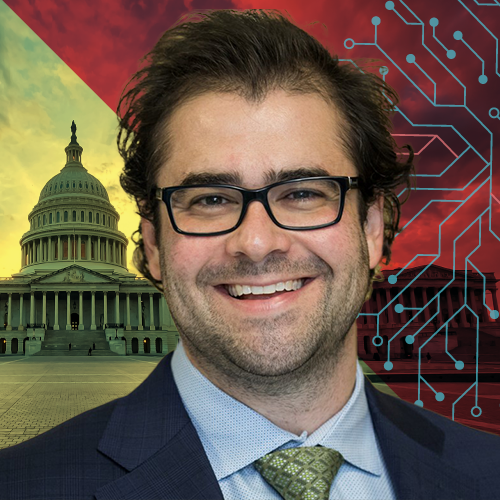
Dr. Dorothea Altschul is a Columbia- and Harvard-trained neurovndovasculaar surgeon and Director of Neuroendovascular Surgery and Clinical Neurosciences at The Valley Hospital. Her work focuses on cerebrovascular disease, with over a decade of data showing exceptional outcomes at the Valley Hospital. Recognized as a top doctor in her field, she’s passionate about advancing our understanding of venous brain disorders, pulsatile tinnitus, and brain pressure–related syndromes, and about translating that science into real solutions for patients.

Thomas Booth
Department of Neuroradiology, Ruskin Wing, King's College Hospital NHS Foundation Trust, UK
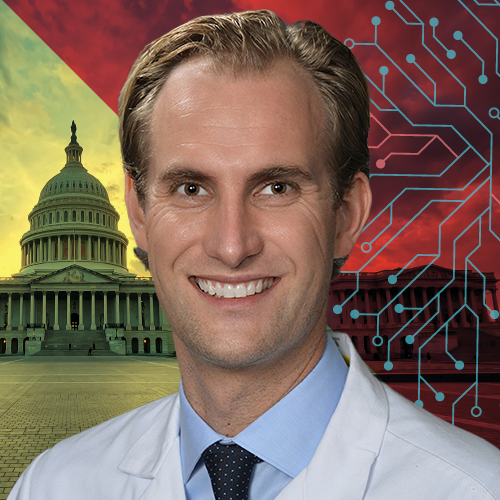
Thomas C Booth is a Reader in Neuroimaging at King’s College London and an Interventional Neuroradiologist at King’s College Hospital. His work in interventional neuroradiology focuses on the development of robotics to enhance precision and safety in endovascular interventions – here he integrates artificial intelligence into navigation. His PhD was at the University of Cambridge where he first learnt about AI before the days of deep learning. He is now the UK Neurovascular Group research lead, as well as the AI Faculty lead at the Royal College of Radiologists. He has led multiple UK multicentre studies including the largest neurology study in the UK which recruited 37,000 prospective patients. He is an active contributor to national and international committees and is an awardee of the Royal College of Radiologists Outstanding Researcher Award.

Jan-Karl Burkhardt
The James and Agnes Kim Associate Professor of Neurosurgery, University of Pennsylvania, USA
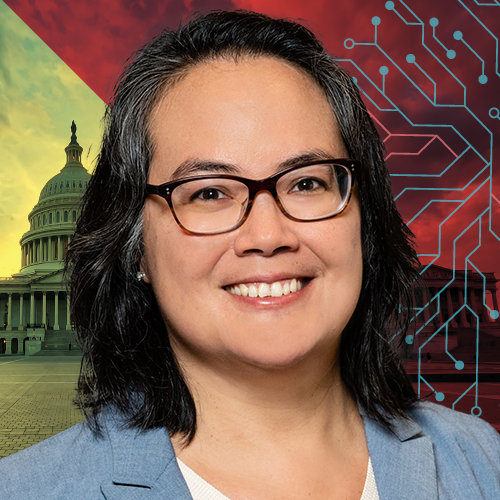
Dr. Burkhardt is currently the Division Head of Cerebrovascular and Neurointerventional Surgery at the University of Pennsylvania in Philadelphia (Penn Medicine). He is dual fellowship trained in both endovascular and open techniques and is currently The James and Agnes Kim Assocciate Professor of Neurosurgery.

Johanna Fifi
Neurology, Neurosurgery, and Radiology, Icahn School of Medicine, Mount Sinai, USA
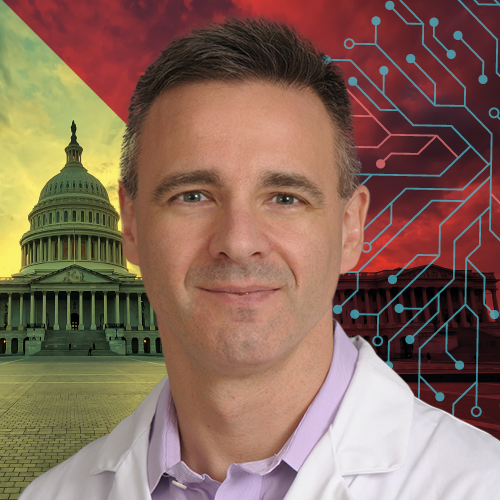
Dr. Fifi is a Professor of Neurology, Neurosurgery, and Radiology at the Icahn School of Medicine at Mount Sinai. She is also Associate Director of the Cerebrovascular Center, Director of Cerebrovascular Services at Mount Sinai Hospital, and Director of the Pediatric Cerebrovascular Program. She is Immediate Past President of the Society of Neurointerventional Surgery, past board member of the Society of Vascular and Interventional Neurology, and a past committee chair of the US accrediting body for Neuroendovascular Surgery Fellowships. She has led a number of clinical research trials into adult and pediatric cerebrovascular disease and stroke systems of care. Dr. Fifi has authored over 200 publications and is an associate editor of the Stroke: Vascular and Interventional Neurology Journal. Dr. Fifi specializes in the endovascular treatment of cerebrovascular disorders including vein of Galen malformation, arteriovenous malformations and fistulas of the brain and spine, stroke, brain aneurysms, intracranial and carotid stenosis, as well as craniofacial vascular lesions in children and adults.

David Fiorella
Renaissance School of Medicine at Stony Brook University, USA
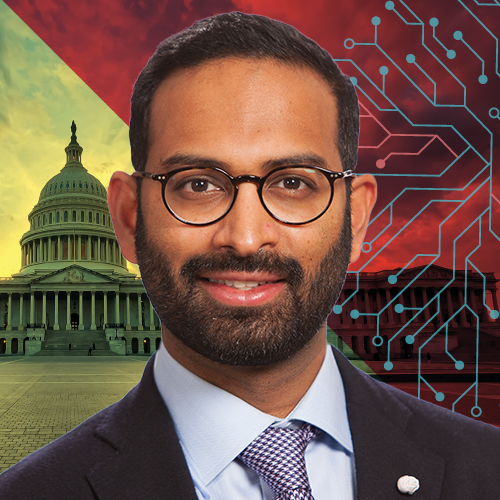
Dr. Fiorella has worked extensively on MMA based therapies, including acting as co-PI( for the recently published STEM trial of MMA embolization for cSDH. He has also worked extensively on the IA lidocaine infusions for refractory migraine headache. He and Dr. Arthur are leading a future trial to evaluate MMA embolization for refractory migraine.

Ramesh Grandhi
Department of Neurosurgery, University of Utah, USA
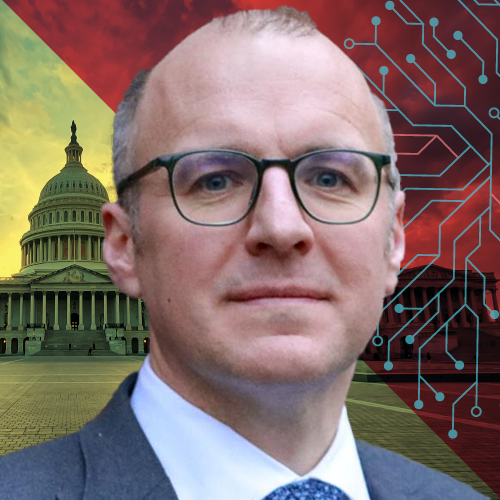
Dr. Grandhi is a cerebrovascular neurosurgeon who currently serves as the Neuroendovascular Section Chief and Fellowship Director. He is a Professor of Neurosurgery at the University of Utah and is Surgical Co-Director of the University of Utah Stroke Center.

Brian Hoh
Chair & Professor of Neurosurgery, University of Florida, USA
Dr. Brian Hoh is the James and Brigitte Marino Family Professor and Chair of the Lillian S. Wells Department of Neurosurgery at the University of Florida, where he also serves as Chief of Medical Staff for UF Health Shands.
He is an NIH-funded investigator. He is past President of the Congress of Neurological Surgeons, past Chair of the American Association of Neurological Surgeons/Congress of Neurological Surgeons Joint Cerebrovascular Section, and currently serves on the Board of Directors of the American Board of Neurological Surgery. He has served as co-chair of the Editorial Board of the Journal of Neurosurgery.
Dr. Hoh received his B.A.S. from Stanford University, his M.D. from Columbia University, and completed his neurosurgery residency and interventional neuroradiology fellowship at Massachusetts General Hospital. He received his M.B.A. from the University of Florida.

Brian Jankowitz
Chief, Neurosurgery, JFK University Medical Center, USA
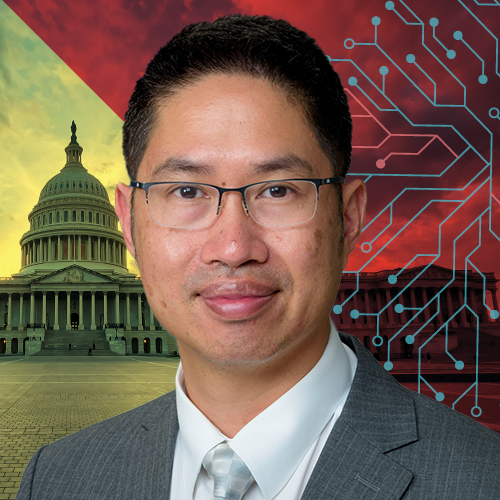
Brian Jankowitz is currently the Chief of Neurosurgery at JFK University Medical Center in Edison, NJ. He previously served as the head of Cerebrovascular Neurosurgery at the University of Pennsylvania. Dr. Jankowitz trained at the University of Pittsburgh where he completed his internship, residency, and fellowship in NeuroEndovascular Surgery. He distinguished himself with his early interest in ischemic and hemorrhagic stroke, having taken part in every major U.S. interventional stroke trial. His current focus is on novel mechanisms of ICH evacuation. He is also the national PI for the SEAL-IT trial, which is evaluating a new intra-saccular aneurysm occlusion device.

Peter Kan
Professor and Robert L. Moody Sr. Chair, Department of Neurosurgery, University of Texas, USA
Peter Kan
Dr. Peter Kan is the Professor and Robert L. Moody Sr. Chair of the Department of Neurosurgery at the University of Texas Medical Branch. Dr. Kan pursued neurosurgical training at the University of Utah where he also completed a Masters of Public Health. After a skull base/open cerebrovascular fellowship at the University of Toronto, he became a Fellow of the Royal College of Physicians and Surgeons of Canada prior to starting his endovascular fellowship at the University at Buffalo. Upon the completion of his fellowship, he joined the faculty at University of South Florida and served as the director of cerebrovascular and endovascular neurosurgery. He was subsequently recruited to Baylor College of Medicine as an associate professor and the director of cerebrovascular surgery. He is a NIH-funded surgeon-scientist, and his research interests include clinical trials on non-acute subdural hematoma, neuroprotection for acute ischemic stroke, brain machine interface, and intra-arterial cell-based therapy for malignant brain tumors.
Dr. Kan is current serving as the President (2025-2026) for the Society of Neurointerventional Surgery (SNIS).

Kenichi Kono
Founder and CEO, iMed Technologies, japan
Kenichi Kono
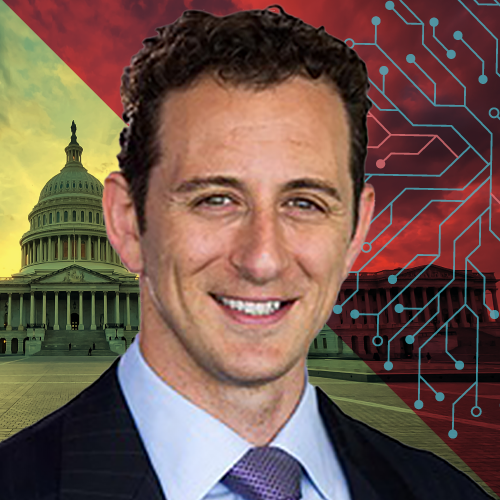
Kenichi Kono, MD, is a neurosurgeon and neuroendovascular specialist in Japan, and the founder and CEO of iMed Technologies. His work focuses on the development of a real-time AI assistance system for neuroendovascular procedures. The company’s AI software has obtained regulatory certification in Japan and is currently used in clinical practice. He has published on real-time AI applications across a range of neuroendovascular procedures, including coil embolization, carotid artery stenting, and middle meningeal artery embolization.

Elad Levy
Professor and Chair of Neurosurgery, SUNY Buffalo, USA
Elad Levy
Elad I Levy is Professor and Chair of Neurosurgery and the L. Nelson Hopkins Endowed Chair of the Department of Neurosurgery at the State University of New York (SUNY) Buffalo. He recently was awarded Distinguished Professor at SUNY Buffalo.
Dr. Levy graduated from Dartmouth College with a BS in Molecular Biology/Biochemistry in 1993. At Dartmouth, he competed as a varsity heavy weight rower. He graduated with distinction from the George Washington University School of Medicine and Health Sciences in 1997. Dr. Levy completed his resident training in neurosurgery at the University of Pittsburgh in 2004. As a recipient of the AANS/CNS Joint Cerebrovascular Section Mullen Endovascular Fellowship Award, he also completed a two year Endovascular Neurosurgery Fellowship with Dr. Nick Hopkins at SUNY Buffalo.
Dr. Levy has served on the Congress of Neurological Surgeons (CNS) Executive Committee since 2007 and is the past president of the CNS Foundation; he has helped develop multiple global philanthropic initiatives. He currently serves as President of the CNS and Vice Chair of the American Board of Neurological Surgery (ABNS) and as the Endovascular Section Editor for Neurosurgery.
His clinical and research interests are focused on treatment of cerebrovascular diseases, specifically aneurysm and stroke. He has over 800 peer reviewed articles with an H-index of 100 as well as several books on cerebrovascular disease and treatment. In 2018, Dr. Levy received the Drake Lectureship Award, which recognizes contribution to advancing human knowledge and creativity and in 2024, he received the Dacey Medal for Outstanding Cerebrovascular Research and the Duke Samson Award for his groundbreaking work on the COMMAND trial.
Dr. Levy devotes his free time to his wife, Cindy, and their three children, Bennett, Hannon and Lauren. As a family, they enjoy recreational and fitness activities outdoors.

David S. Liebeskind
Professor of Neurology, Neurological Surgery and Radiology, University of Southern California, USA
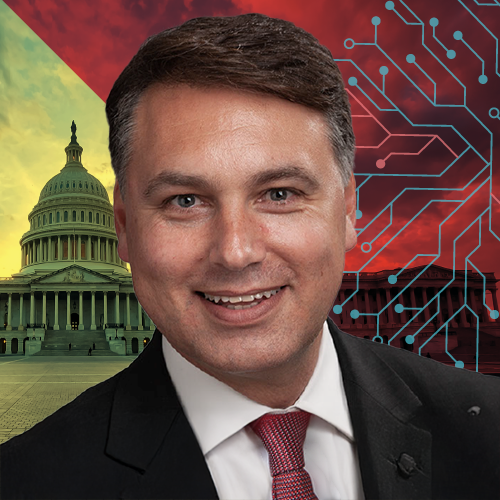
David S. Liebeskind
David S. Liebeskind, MD, MBA, is Professor of Neurology, Neurological Surgery and Radiology at the University of Southern California and a vascular neurologist specializing in stroke imaging and neurovascular disease. He is internationally recognized for his work on collateral circulation, intracranial atherosclerosis, advanced imaging biomarkers, and precision medicine approaches in acute ischemic stroke, and has authored more than 1,000 peer-reviewed publications. Dr. Liebeskind has maintained continuous NIH funding for over two decades and serves as principal investigator on multiple R01 grants focused on intracranial atherosclerosis and imaging-based innovation. He has led numerous multicenter clinical trials and imaging core laboratories and founded the annual Collaterals meeting, a global forum advancing neurovascular science and innovation.

Demetrius Lopes
Professor Neurosurgery, Wake Forest University, USA
Professor Neurosurgery Wake Forest University
Director of Cerebrovascular Program, Neurosurgery
Surgical Director of the Stroke Network, AdvocateHealth
Advocate Lutheran General Hospital | Advocate Illinois Masonic Medical Center
Medical Director, Advanced Neuroendovascular Surgery IRCAD NA

Pedro Lylyk
General Director of ENERI, Buenos Aires, Argentina
Prof. Pedro Lylyk, MD, is a world-renowned leader in endovascular neurosurgery and currently serves as the Director and CEO of ENERI and Clínica La Sagrada Familia in Buenos Aires, Argentina. A graduate of the University of Buenos Aires (UBA), he completed his residency in Pediatric Neurosurgery at the Ricardo Gutiérrez Children’s Hospital before pursuing specialized fellowships in Canada (University of Western Ontario) and the United States (UCLA). His extensive academic career includes serving as Chair of Neurosurgery and Hemodynamics at the Faculty of Medicine of the Universidad de Buenos Aires (UBA), where he directs Master’s programs in Neuroradiology, as well as holding professorships at the Universidad del Salvador (USAL) and the Universidad de Ciencias Empresariales y Sociales (UCES). An undisputed pioneer, he performed the first intracranial stent placement in 1996, a milestone in a clinical practice that exceeds 10,000 treated aneurysms and arteriovenous malformations. Throughout his career, he has founded key institutions such as the FENERI Foundation, the Cerebrovascular Research and Educational Foundation (CREF), the Swiss Neurofoundation, the Intracranial Stent Meeting the World Life Neurovascular Conference (WLNC), while presiding over prestigious organizations including the Argentine Stroke Association (AAAC), the Iberolatinoamerican Society of Diagnostic and Therapeutic Neuroradiology
(SILAN) and others. His contributions have been honored with numerous awards, such as “Outstanding Personality of Science,” the 2022 National Academy of Medicine Award for AI in stroke research, and the 2024 Innovators in Cerebrovascular Science Award. “He was awarded the title of Doctor Honoris Causa by the University of Buenos Aires in late 2025, in recognition of more than four decades of innovation in endovascular neurosurgery and his significant impact on stroke treatment.” In addition to his clinical work, he leads the National Stroke Prevention Campaign and directs one of the region’s premier international training centers, having mentored over 150 professionals from across the globe.

Shahram Majidi
Co-Director of Endovascular Fellowship, Mount Sinai, USA
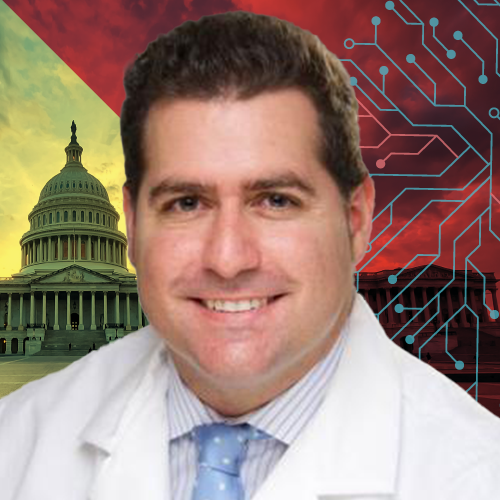
Shahram Majidi, MD, is an Associate Professor of Neurosurgery at the Icahn School of Medicine at Mount Sinai and Director of the Neuroendovascular Surgery Fellowship. He serves on the Board of Directors of the Society of NeuroInterventional Surgery (SNIS) and as Vice Chair of the Guidelines Committee of the Society of Vascular and Interventional Neurology (SVIN). As Principal Investigator of the COMMAND trial, he performed the first endovascular brain–computer interface (BCI) implantation in the United States in 2022. His clinical and research expertise focuses on advanced endovascular treatments for cerebrovascular disease, brain aneurysms, stroke thrombectomy techniques, and cortical vein navigation.

Santiago Ortega-Gutierrez
Director of Neuro Interventional Surgery, University of Iowa, USA
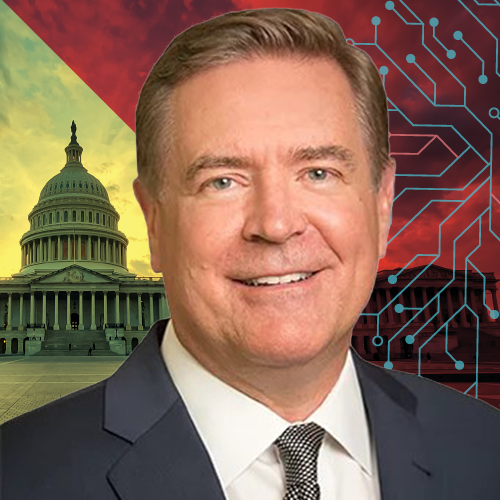
Santiago Ortega-Gutierrez
Dr Santiago Ortega earned his MD at University of Alcala in Madrid Spain, did his Internal Medicine and Neurology residency at the Medical College of Wisconsin, completed a Neurocritical care and Stroke Fellowship at Columbia University, and an Endovascular Neurosurgery fellowship at Mount Sinai in New York. He is currently the Director of Neuro Interventional Surgery in Neurology at UI and the Neuroendovascular Surgical Neuroradiology Fellowship Director. He is also the Vice Chair of the Mechanical Thrombectomy 2020+ initiative and current President of the Society of Vascular and Interventional Neurology. His research interest includes cerebral autoregulation and hemodynamics, neuroimaging as a selection tool and developing novel endovascular approaches and devices to treat cerebrovascular ischemic and hemorrhagic disease. Currently Dr. Ortega-Gutierrez has over 300 publications in peer-reviewed journals as well as he is the PI in several NIH/NINDS, PCORI and industry funded investigator-initiated studies and Randomized Trials including MAP-STROKE, DIRECT and DONE SYMPLE.

Mark Paul
Executive Director, Center of Medical Innovation, University of Utah Health
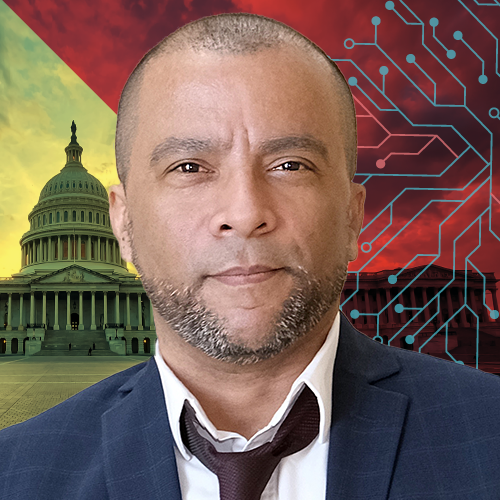
Mark Paul
Mark H. Paul Currently is the Executive Director of the Center of Medical Innovation at the University of Utah Health and the leader of the Pivot medical device incubator. Prior to this role, Mark served 16 years as the Global President of the Neurovascular division at Stryker. Stryker Neurovascular is a pioneer and world market leader in the development of technologies for the treatment of Hemorrhagic and Ischemic Stroke. During his tenure the NV division delivered exceptional global growth as the fastest growing division 12 years straight to over $1.3B in annual revenue. Mark had full P&L responsibilities for all operational functions along with sales and marketing teams in 70 countries around the world. Mark is a +31-year veteran of the Medical Device industry. Over that time, he has led organizations focused on technologies for the less invasive treatment of Neurovascular, Peripheral Vascular and Cardiology, including Peripheral Embolization, Abdominal Aortic Aneurysms and Carotid Intervention. Much of Mark’s career and education has had a deep global focus including serving as European Director of Peripheral Vascular based in Paris, France and VP & GM of International for Boston Scientific Corporation. Mark started his career with Procter & Gamble where he spent 5 years in sales and sales management. Mark graduated from the University of Utah. His education also included time in Selwyn College in Cambridge, England, the Universite de la Neuchâtel, Switzerland. He has also completed Stryker Executive Business Programs at Harvard and Stanford University Byers Center for Biodesign Executive Program. He currently resides in SLC, Utah. He and his wife Jana have 4 children.

Carlos Pena
Chief Regulatory Officer and Chief Quality Officer, The Jacobs Institute, USA
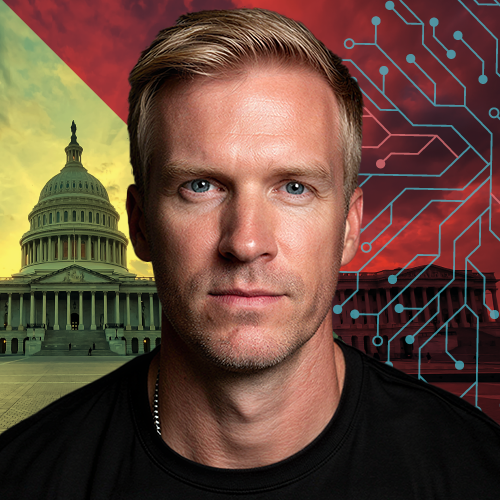
Dr. Carlos Peña is Chief Regulatory Officer and Chief Quality Officer, leading the Offices of Regulatory Services and Office of Quality Services, at the Jacobs Institute (JI) in Buffalo, New York. Dr. Peña is also Chief Executive Officer of a private consultant firm just outside the Washington DC area where he advises small-, medium-, and large-sized companies on medical product FDA regulation and review. Prior to his current work, Dr. Peña served 20+ years as a public servant in federal government, including Director of the Office of Neurological and Physical Medicine Devices, at the Center for Devices and Radiological Health (CDRH), at the U.S. Food and Drug Administration (FDA), based in the Washington, DC area. He was responsible for providing leadership in the development of safe and effective neurological and physical medicine devices to support FDA’s mission. Specifically, he provided oversight over several cross-functional teams and was the lead contact for the agency’s strategic plans and implementation efforts for neurological, physical medicine, diagnostics, and rehabilitative devices. Before his FDA Director role, Dr. Peña served as Assistant Director of Emerging Technologies in the White House Office of Science & Technology Policy (OSTP) in the Executive Office of President Obama for two years (2012-2014). Dr. Peña holds a PhD in Neuroscience from Case Western Reserve University, Masters degree in Comparative Physiology from the University of Connecticut, and Bachelor of Science from the City College of New York.

Eric Peterson
CEO Hyperion Surgical, USA
Dr. Eric Peterson is a physician-entrepreneur based in Miami and a vascular neurosurgeon by training, with deep experience building and scaling medical device companies. In 2018, he founded RIST Neurovascular, a company focused on catheter systems for radial access to the cerebral vasculature, and led it from concept through FDA clearance and acquisition by Medtronic in 2020.
In 2021, he founded Hyperion Surgical where he leads development of a robotic vascular access system. The system integrates AI vessel recognition, robotic automation, and full catheter placement to deliver surgeon-level vascular access by an on-site technician in under five minutes, with expert-in-the-loop remote supervision through live imaging and telemetry. His work sits at the intersection of robotics, artificial intelligence, clinical medicine, and scalable device commercialization.

Adnan Qureshi
Zeenat Qureshi Stroke Institute and University of Missouri, Columbia, Missouri, USA
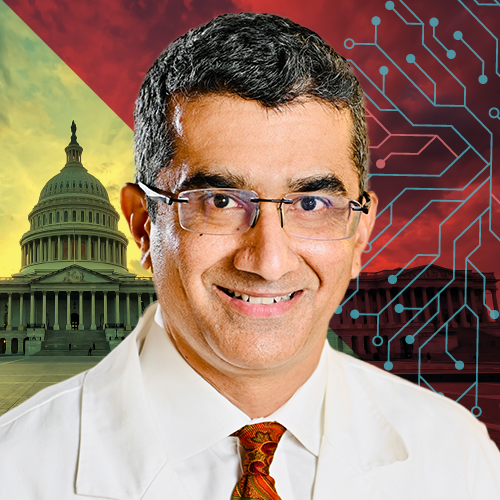
Dr Adnan I. Qureshi is a Professor of Clinical Neurology and Program Director, Endovascular Surgical Neuroradiology Fellowship at the University of Missouri School of Medicine. He is also the Executive Director of Zeenat Qureshi Stroke Institutes (ZQSI). He has written over 890 scientific publications in prestigious journals and 14 text books. He has served in several leadership positions in clinical trials pertaining to interventional neurological procedures and stroke and has received several prestigious awards at the national and international level.

Ansaar Rai
Professor and Chair of Neuroradiology, Rockefeller Neuroscience Institute, USA
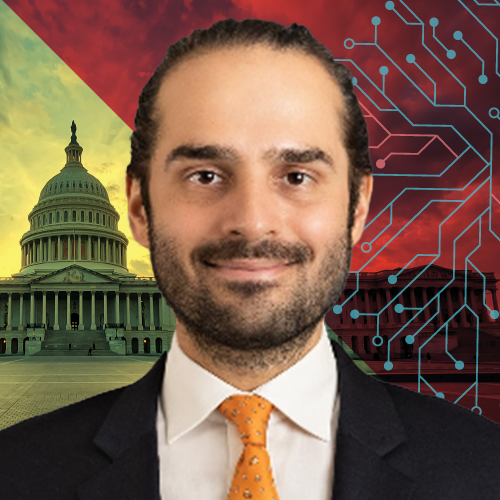
Ansaar Rai is Professor and Chair of Neuroradiology at the Rockefeller Neuroscience Institute, West Virginia University, Morgantown, and Chief Medical Officer for Siemens Healthineers Endovascular Robotics. Experienced neurointerventionalist with leadership in clinical trials, translational research, and physician–industry collaboration spanning device development, evaluation, and clinical adoption.

Eytan Raz
Associate Professor, NYU Langone Health, USA
Eytan Raz
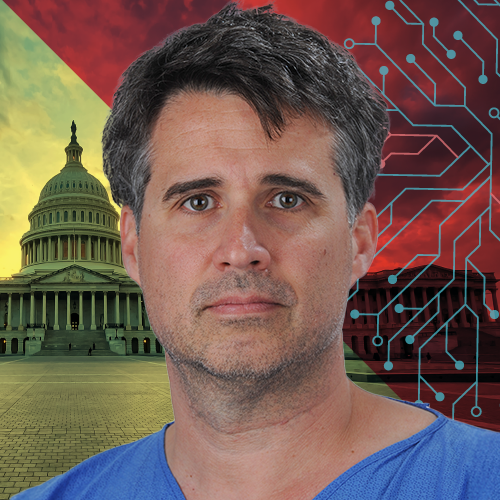
Eytan Raz is an Associate Professor at NYU Langone Medical Center in New York City, Director of Interventional Neuroradiology at Bellevue Hospital. After graduating from Sapienza University of Rome and obtaining a PhD degree, he completed the fellowship in Interventional Neuroradiology at NYU Langone Medical Center. He is the author of more than 250 publications in high impact factor, peer-reviewed journals such as JNIS, AJNR, Stroke, Radiology, JAMA. His fields of expertise include neurovascular anatomy, neurovascular diseases, brain aneurysms, dural fistulas and stroke. In 2020 he was appointed associate editor of S:VIN journal. He is part of the BANANA team with multiple contributions through the neuroangio.org website, BANANAz sessions and the BANANA course.

Marc Ribo
Interventional Neurologist, Hospital Vall d’Hebron, Spain
Marc Ribó is an interventional neurologist at Hospital Vall d’Hebron in Barcelona, specializing in acute stroke care and endovascular treatments. His work focuses on regional stroke networks, advanced neuroimaging, neuroprotection and the development of innovative thrombectomy devices. He is the founder of Anaconda Biomed and has led multiple translational research projects bridging clinical needs with medical device innovation.

Edgar Samaniego
Clinical Professor of Neurology, Neurosurgery, and Radiology, University of Iowa, USA
Edgar A. Samaniego, MD, MS is a Clinical Professor of Neurology, Neurosurgery, and Radiology at the University of Iowa. He serves as Director of the Vascular Neurology Fellowship. Dr. Samaniego specializes in cerebrovascular diseases, with a focus on intracranial aneurysms, advanced neurovascular imaging, and endovascular therapies. His research centers on multiparametric MRI, aneurysm wall imaging, radiomics, and device-based innovation in neurointervention. He has authored more than 300 peer-reviewed publications and has received funding from foundations and industry partners. Nationally and internationally, he is active in clinical trials, guideline development, and professional societies, and is deeply committed to mentorship, fellowship education, and advancing patient-centered stroke care.

Luis Savastano
Principal Investigator, UCSF Transcatheter Neurosurgical Technologies Lab, USA
Ramesh Grandhi
Luis Savastano M.D. Ph.D. is an academic surgeon-scientist at the University of California San Francisco (UCSF). He is a hybrid cerebrovascular neurosurgeon with a busy microsurgical and endovascular practice, and the Principal Investigator of the UCSF Transcatheter Neurosurgical Technologies Lab, where a multidisciplinary team executes trailblazing translational research and state-of-the-art technology development.

Jeffrey Saver
Director of UCLA's Comprehensive Stroke and Vascular Neurology Program, USA
Jeffrey Saver
Dr. Saver is the Carol and James Collins Distinguished Professor and SA Vice-Chair of Neurology at the David Geffen School of Medicine at UCLA and Director of UCLA’s Comprehensive Stroke and Vascular Neurology Program. He trained at Harvard Medical School, the Harvard-Longwood Neurology Training Program (neurology), the University of Iowa (cognitive neurology), and Brown (vascular neurology). Author of over 1012 research articles, 3 books, and 40 book chapters, Dr. Saver’s research interests are in acute stroke treatment, stroke prevention, neuroimaging, clinical trial design, and neurocognitive consequences of vascular disease. He served as Principal Investigator of the NIH-NINDS FAST-MAG trial, Global Co-Principal Investigator of the SWIFT PRIME trial, and Chair of the American Heart Association Stroke Council. He is currently Associate Editor at JAMA, the Journal of the American Medical Association and is a recipient of the American Heart Association’s Distinguished Scientist Award and the World Stroke Organization Lifetime Research Award.

Magdy Selim
Professor of Neurology, Harvard Medical School, USA
Magdy Selim
Magdy Selim, MD, PhD is Professor of Neurology at Harvard Medical School. He serve as the Chief of the Division of Stroke and Cerebrovascular Disease and the Director of the Comprehensive Stroke Center at Beth Israel Deaconess Medical Center in Boston. Dr. Selim is known for his expertise in intracerebral hemorrhage. He received funding from the NINDS, NIA and AHA, and has led several NIH-funded, multi-center, international ICH clinical trials. He is the founder of the HEmorrhagic stroke Academia inDuStry (HEADS) roundtable and the World Intracranial Hemorrhage (WICH) Organization.

Satoshi Tateshima
Professor of Radiology and Neurosurgery, UCLA, USA
Satoshi Tateshima
Dr. Satoshi Tateshima is a Professor of Radiology and Neurosurgery at UCLA, practicing as a senior faculty of interventional neuroradiology at Ronald Reagan UCLA Medical Center. He completed neurosurgery residency at Tokyo Jikei University Hospital, and interventional neuroradiology fellowship at UCLA Medical Center. He participated in research fellowships in UCLA Translational Research Imaging Center and Keio University System Design Engineering. He has a dual doctor degree (MD-DMSc) from his research on biofluid mechanics of cerebrovascular diseases. He is involved multiple national and international clinical trials as a principal investigator and committee member. His clinical interest includes intracranial aneurysms, AVM, dural AVF, congenital vascular malformations, pediatric neuro-intervention, ischemic stroke, and spinal vascular malformations. His research interest includes robotic intervention, new device development, surface modification of metal devices and new coating.

Stavropoula Tjoumakaris
Professor of Neurosurgery & Radiology, Thomas Jefferson University Hospital. USA
Stavropoula Tjoumakaris
Dr. Stav Tjoumakaris is a Professor of Neurosurgery & Radiology at Thomas Jefferson University Hospital, where she serves as Chair of the Department of Neurological Surgery and Director of the Dual Cerebrovascular & Endovascular Fellowship. She has numerous national leadership positions, including Immediate Past Chair of Cerebrovascular Section CNS/AANS, Chair-Elect of the Joint Guidelines Committee CNS/AANS and SNIS Board of Directors. She has a distinguished career in academic scholarship with over 500 peer-reviewed publications and an h-index of 65, with research interests in multi-modality treatment of cerebral aneurysms & AVMs and intra-arterial chemotherapy for juvenile retinoblastoma.

Aquilla Turk
Prisma Health-Greenville Memorial Hospital
Aquilla Turk
Dr. Aquilla Turk is a neuroendovascular surgeon in Greenville, South Carolina and is affiliated with Prisma Health-Greenville Memorial Hospital since 2018. He previously had a busy academic and clinical practice at the University of Wisconsin and Medical University of South Carolina. He completed a fellowship in diagnostic and interventional neuroradiology at the University of Wisconsin in 2002. He remains
clinically active in all aspects of endovascular treatment of cerebrovascular diseases with current professional focus in robotic surgery.
He was the Chief Medical Officer for Corindus Robotics and currently is the CMO for Imperative Care. He has run several large clinical trials including the COMPASS and POSITIVE trials.